WIZARDS FROM OZ

Two Australian jazz players who have become fixtures of the London jazz scene, A version of this piece appears in the Camden New Journal (https://www.camdennewjournal.co.uk/article/wizard-from-oz-how-newcomer-has-made-his-mark-in-londons-jazz-scene)

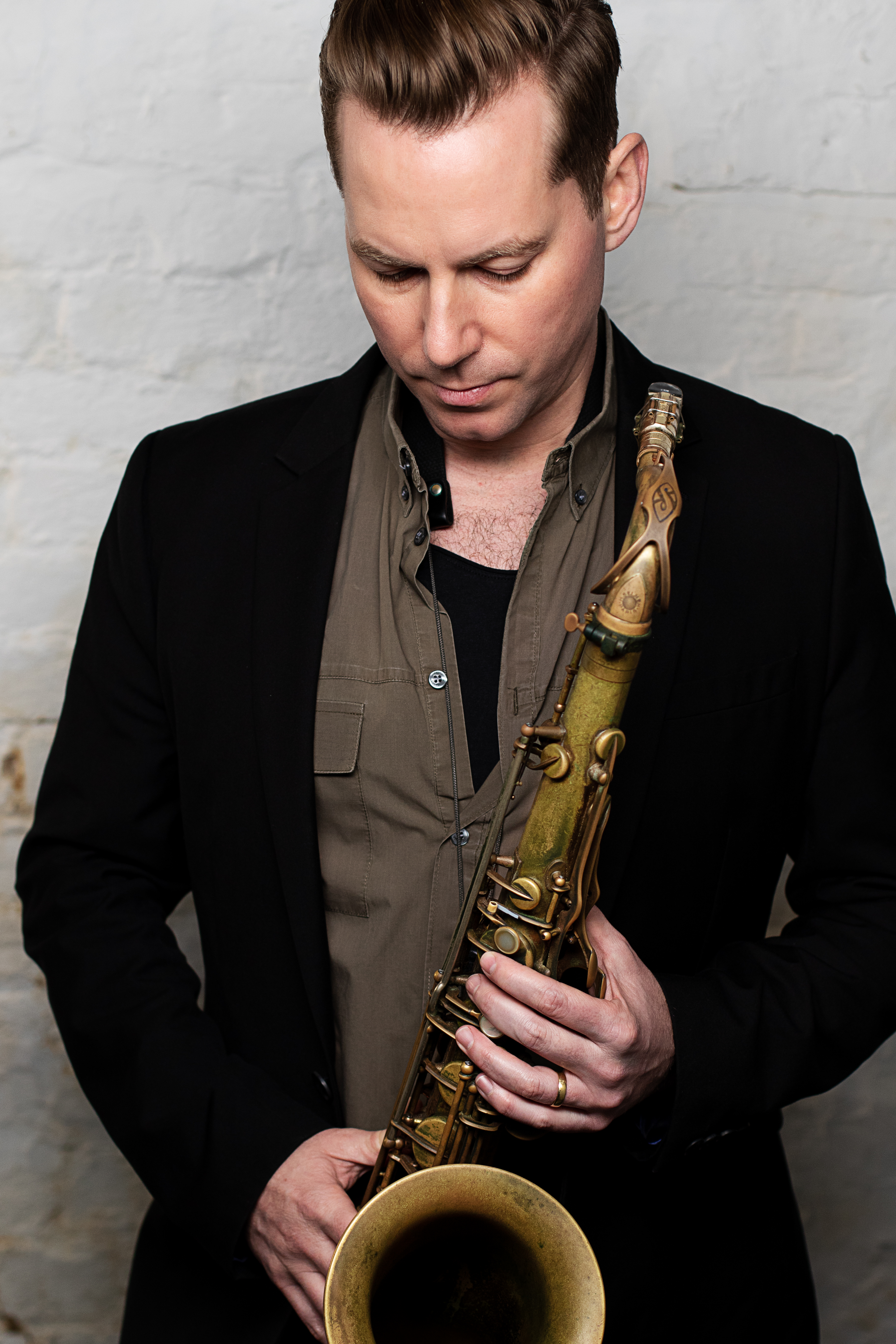
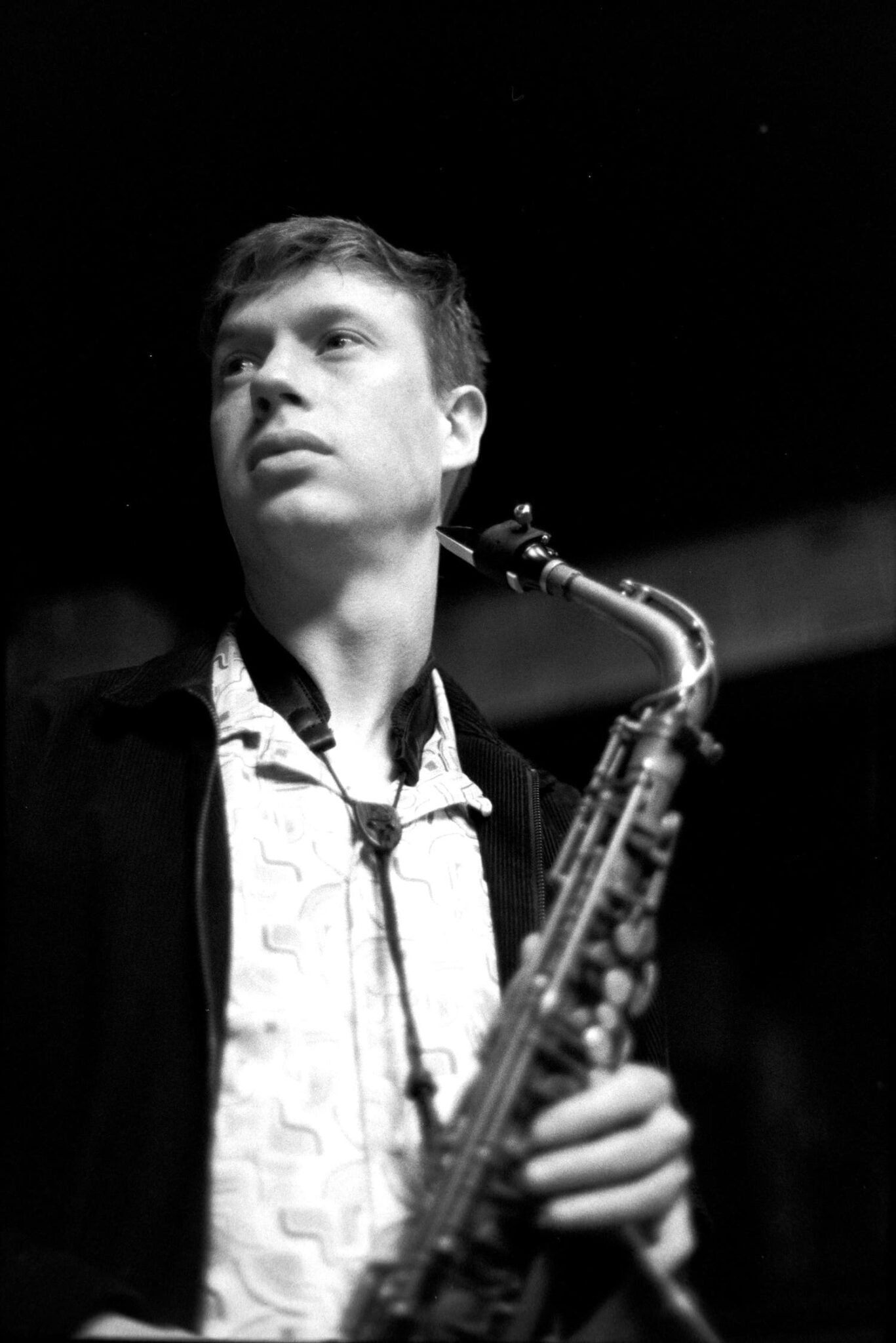
I remember seeing a very fresh-faced Graeme Blevins in the sax section of the Guy Barker’s Big Band almost two decades ago. In the epic suite dZf, he usually had to follow an incendiary solo by that Italian firecracker Rosario Giuliana. A less confident and competent player might have been intimidated by the altoist, but I was always impressed by how an unruffled Graeme quickly created his own narrative on tenor, building on what had gone before. As he told me recently: “In jazz, like most music, it’s about colour and contrast and completing the musical picture. It’s not a competition.”

Graeme has only got more adept since those days (he doubles on clarinet and flute, too). After all, he got to dep for the venerable Bob Mintzer in the Yellowjackets  recently. Those are big jazz shoes to fill, but he came away with nary a blister. “The first time you have to win over an audience is quite nerve-racking. But I’m totally up or a challenge like that. And by end they were all cheering, standing ovations, second encore, all that.”

       Hailing from Perth, Australia, Graeme came to London in 2004, aged 23, after three months studying in New York with Seamus Blake and Chris Potter. He had been assured that New York was where you went if you wanted to forge a career in jazz. However, he decided to seek his fortune elsewhere.  “As amazing as New York as, I was still in love with the idea of London. I definitely don’t regret that decision. I still can’t imagine living away from this unbelievable city.”

So how did a newcomer make his mark in London’s jazz scene back then? “By going to every single jam session there was and practicing six hour a day.” Eventually he came to the attention of Clint Eastwood’s bass playing son Kyle and joined a group that included Andrew McCormack on piano and Graeme Flowers on trumpet. “It was the gig that was a bit of a step up for me. And we all got along musically and personally like a house on fire, so it was great.” So good, in fact, he stayed for eight years.Graeme has also played with a host of big names – Kylie Minogue, Phil Collins, Gregory Porter, Jamie Cullum, Kurt Elling and, latterly, Raye. Look at RAYE’s Live at The Albert Hall, where there is a track called Graeme Blevins x Mary Jane, where he gets to blow an extended intro to her love-letter to mind-altering substances. RAYE, you’ll be pleased to know, is every bit as unaffected and genuine as she seems from the outside. Graeme describes her as “a beautiful soul”.

        Graeme has two upcoming London shows with smaller groups – one of them with his old friend and colleague Richard Spaven, best known as a master of broken-beat, dubstep and intricate jazz-fuelled rhythms. “I’ve known Richard for twenty years – we’re both big cricket fans,” says Graeme. “The thing is, the moment you hear him, you know it’s Rich behind the kit. And that’s very rare these days. He’s an incredible musician.” The gig at Camden’s Jazz Café on September 23 is to spotlight Spaven’s new album Light of Day. It’s a groove-led monster, and the live band includes Graeme on alto flute, James Copus on trumpet (a duty he shares with Nils Petter Molvær and Verneri Pohjola on the record – it’s quite the trumpet-fest) and the ever-reliable atmospherics of Stuart McCallum on guitar. Details: https://thejazzcafe.com/event/richard-spaven-3/?accept=true.        There’s also a show in the main club at Ronnie’s with pianist Jamie Safir to launch his debut album, Momentism. “I can’t wait for that. Jamie is a sweetheart and what a beautiful band – some of my favourite musicians to play with.” He’ll be on stage with Jamie on keys, Conor Chaplin on bass and Luke Tomlinson on drums. The show is on September 14 and tickets are here:  https://www.ronniescotts.co.uk/find-a-show/jamie-safir.   There’s also London gigs with Jamie Cullum coming up (see https://www.jamiecullum.com/#tour), more RAYE and Guy Barker’s Jazz Voice, the traditional opening gig of the London Jazz festival in November (https://efglondonjazzfestival.org.uk/events/opening-gala-jazz-voice-4). Graeme Blevins. Remember the name. Every bandleader in London does.     

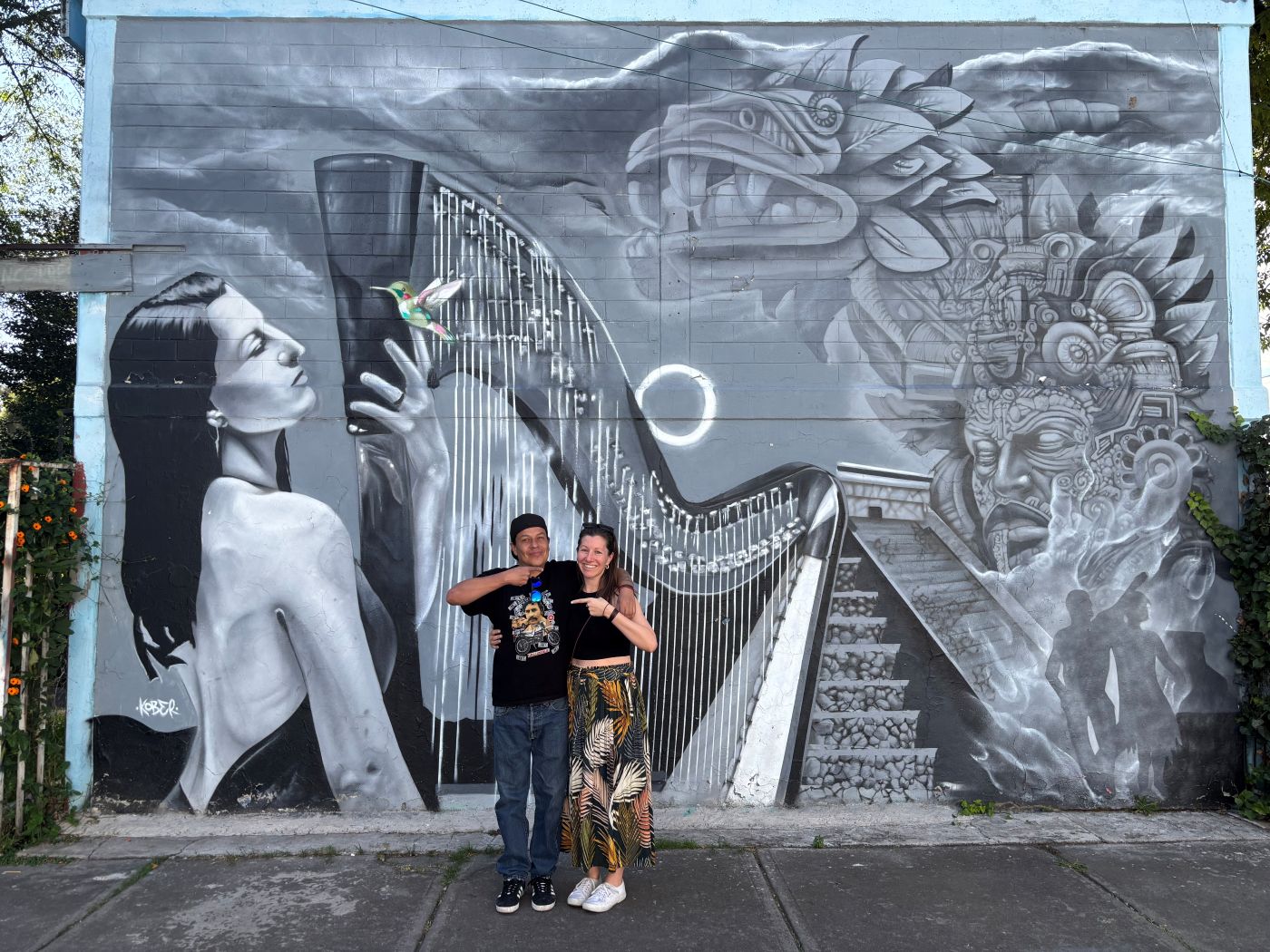
The mural that features on the cover of the Devil Invites You to Dance c. Tara Minton

     Like Graeme, Tara Minton – a fellow Australian, from Melbourne this time – is a firm fixture on the London jazz scene, not only as a harpist/singer/composer but also a promoter, notably with Spicejazz (see https://spicejazzsoho.co.uk). She too has an impressive CV, working with Björk, Stan Sulzmann, Geoff Gascoyne, Emma Rawicz, Alice Zawadski, Vivienne Aerts (see below) and The Ronnie Scott’s All Stars, but also pops up all over the city, including at Jazz in Kentish Town (I caught her when it was at the Parakeet). Tara has a new album out, The Devil Invites You to Dance, which is something of a departure, a testament to how she fell – hard – for Mexico. It is thoughtful, introspective and very personal disc, but with bursts of joy cutting through any melancholia. I can recommend it – listen to El Colibri with its cascading harp intro (over birdsong), Flora Purim-style wordless vocals, lovely bright-toned flugel from Miguel Gorodi, dancing harp solo and a funky percussion break with handclaps from Emilio Yanez Ruiz and drummer David Ingmells. Or the stately and sombre Iztapalapa, with distant, plaintive sounds from Tara, perhaps reflecting the dark night of the soul that she talks about in the sleeve notes, before Miguel kicks it up a gear with Mariachi-style trumpet, and the sun shines a little, moving into an elegant harp solo and keening vocals before Miguel returns with dramatic effect. The album is launched with a gig Upstairs at Ronnie’s on September 11 (https://www.ronniescotts.co.uk/find-a-show/tara-minton-quintet). It’ll be a good one.

ONE COOL CAT

This review will also appear in the Camden New Journal.

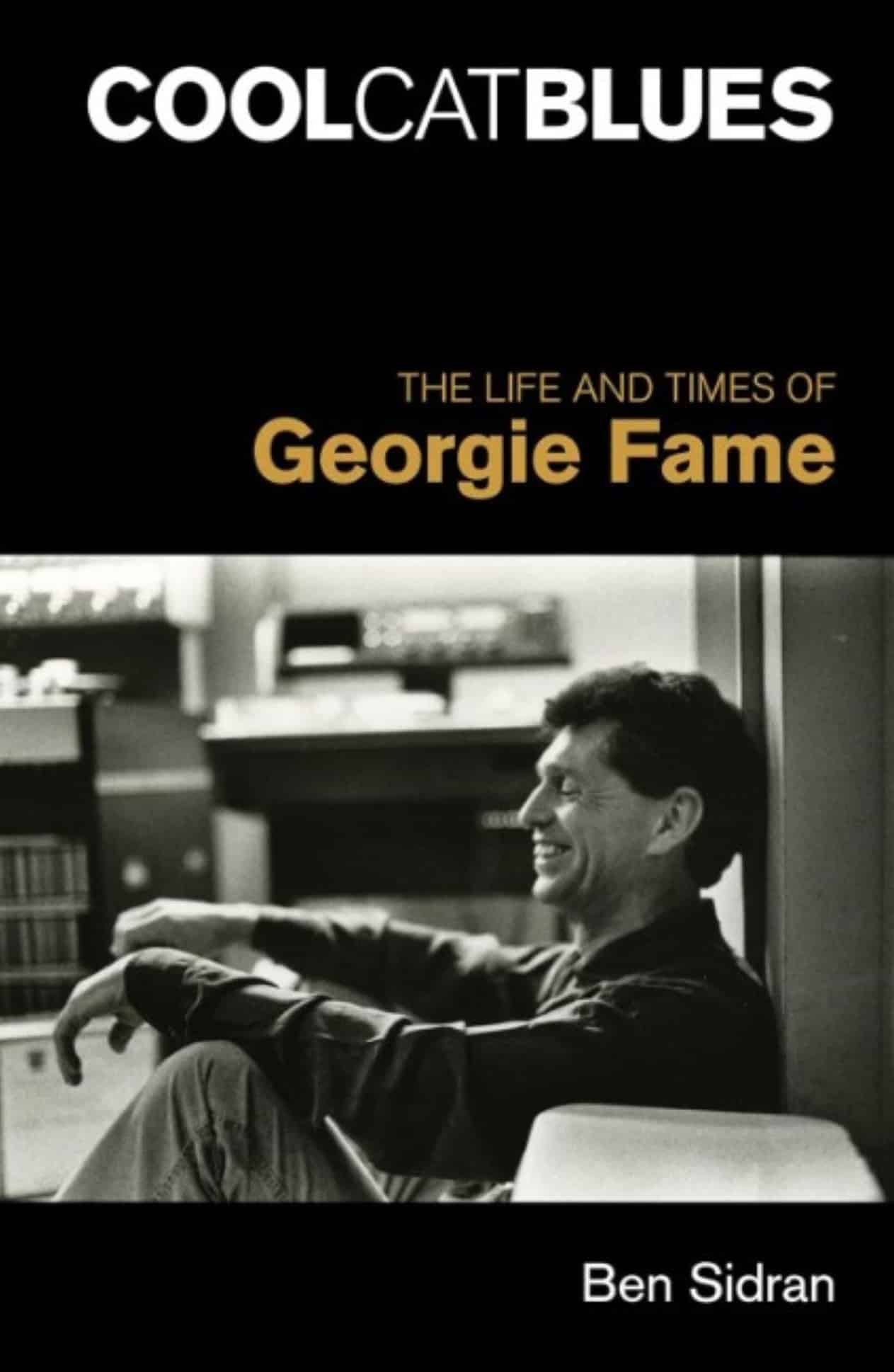
To the Flamingo Club to see the singer whose name is suddenly on every jazz aficionado’s lips: Marvin Muoneké. Well, let’s hold on for a second. It’s a Flamingo Club, not the Flamingo that sat on Wardour Street in the ‘60s. Perhaps the most famous gigs there were by Georgie Fame, whose life and career are chronicled in an entertaining new book by fellow vocalist Ben Sidran called Cool Cat Blues (Equinox – https://www.equinoxpub.com/projects/cool-cat-blues). Georgie (or Clive to his friends) played the legendary Flamingo all-nighters, midnight to 6pm. Here is Georgie’s description from the book: “It was mainly frequented by Black American GIs who were stationed in England. On weekends they would all pile into London’s Soho and the Flamingo was their home because of the all-night sessions. The club was jammed with West Indians, a few Africans, pimps, prostitutes, small time gangsters, lots of showgirls who worked in the society clubs in Bond Street.” The showgirls included Christine Keeler, a key component of the sex’n’spying scandal that was the Profumo Affair.

       Let me tell you, the current Flamingo is nothing like that. It is in a basement beneath Kingly Court, off Carnaby Street, and that night it was a young crowd sipping beers, cocktails and prosecco. No pimps or gangsters. This incarnation is more like a supper club, with round tables topped with red lamps and black and white jazz photos on the walls. Think a bijou Ronnie Scott’s. It’s a good place to catch a rising star. Except this star is late.

       It isn’t Marvin’s fault. The scorching weather has buckled the rails and his train is delayed. The remaining duo of his trio – arranger/composer Alex Webb on piano, who has done so much to promote the singer, and the elegant, considered upright bass player Ed Babar – ably hold the musical fort. When Marvin does arrive, he joins in with the others, but with some N’Orleans-style trumpet for a few choruses. He has an assured and confident stage presence, and after apologising for and explaining about his tardiness, he has the audience (still a little thin at this point but gradually filling out) eating out of his hand. He’s a skilled MC – he could just as easily be at the Albert Hall as a compact basement club near Liberty’s.

       Marvin opens proceedings proper with his signature tune – A Young Man with an Old Soul, which is the equivalent of Let Me Entertain You, only sung with the kind of panache and phrasing Robbie could only dream of. Marvin is thirty now and acknowledges he can’t sing that tune with a straight face forever, but the “old soul” part is true – he has an encyclopaedic knowledge and love for great jazz songs stretching back to the twenties. Hence we get familiar and obscure pages from the Great American Songbook – This Could Be the Start of Something Big, Love is the Tender Trap, the quirky Arlan-Mercer Out of This World and You Are Too Beautiful. The latter is from the fabulous John Coltrane and Johnny Hartman album, included here because it is Coltrane’s centenary and Marvin has been touring a show based on that album.

       Now, Marvin is hardly alone in mining this rich seam of material, but his voice has unusual depth, power and subtlety, and the jazz world has sat up and taken notice. Marvin is part of the line-up for this year’s Jazz Voice at the Royal Festival Hall, Guy Barker’s opening gala for the EFG London Jazz Festival, and something of a rite of passage (and badge of honour) for any young (-ish) vocalist. It’s on Friday, November 13 – see https://www.southbankcentre.co.uk/whats-on/efg-london-jazz-festival-jazz-voice-2026/.     Before that, on August 22, he is part of the Summer Series at the floating jazz club (yes, really) at St Katherine’s Dock: https://www.eventbrite.com/cc/summer-series-london-floating-jazz-club-2026-4827148?aff=ebdsshcopyurl. Marvin brings the Coltrane/Hartman show (with Mark Lockheart on sax) to Ronnie Scott’s at lunchtime on September 27 (https://www.ronniescotts.co.uk/find-a-show/mark-lockheart-and-marvin-muonek%C3%A9) and fronts Alex Webb’s splendid Pocket Ellington project at the Pizza Express Soho on September 29 (https://www.pizzaexpresslive.com/whats-on/the-pocket-ellington-feat-tony-kofi-alan-barnes). There’s more – don’t miss him before he starts filling the Albert Hall rather than the Flamingo. For a list of his shows see: https://www.marvinmuoneke.com/eve

RUN VERA RUN

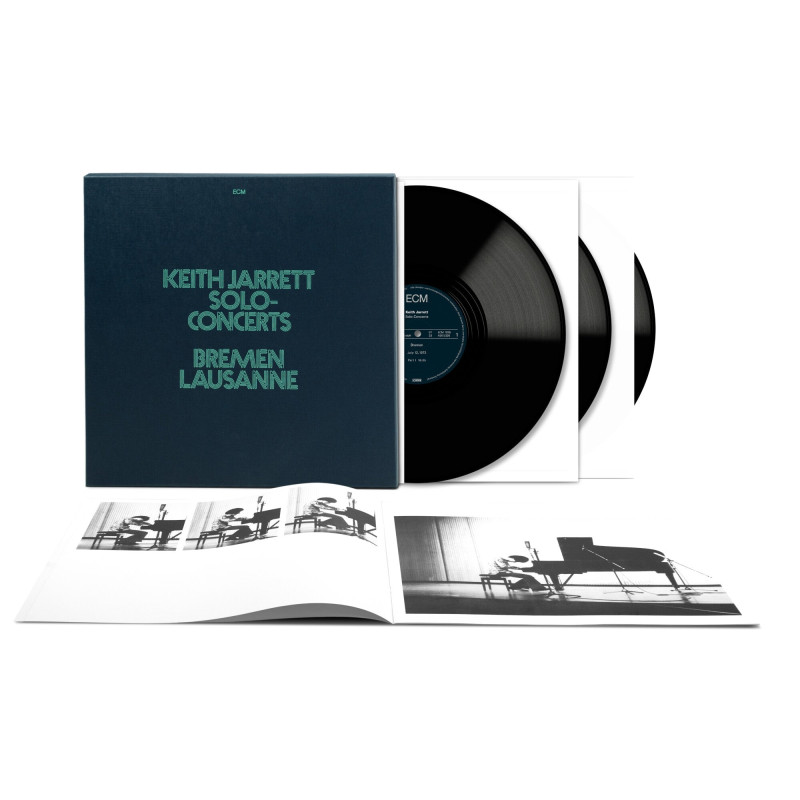
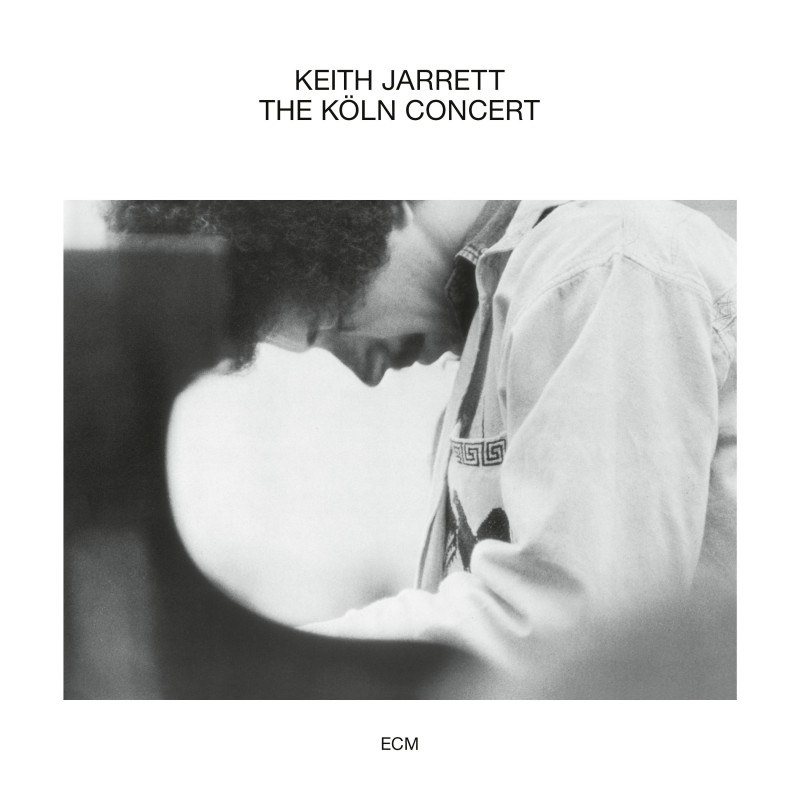
I came late to Keith Jarrett’s Köln Concert, both on record and, slightly less tardily, on film. The disc, on Manfred Eicher’s ECM Records, is the best-selling solo jazz record of all time. And I haven’t got it. Or at least I didn’t have it for ages – I actually bought it on CD about six years ago. I’m not sure why I didn’t get it sooner, given its status. When it came out just over five decades ago, I was already semi-collecting ECM, with records by Dave Holland, Terje Rypdal, Ralph Towner, Gary Burton and Dave Liebman in my jazz rack. But Jarrett’s 1973 Bremen/Lausanne boxed set was also in there – three albums of solo piano improvisations that must have cost me a pretty penny at the time. Perhaps when Köln came along two years later, I thought shelling out for more of the same (although I did get the point that it wasn’t always the same with Jarrett) felt like overkill. After all, I rarely played all six sides of my triple set.

         Since then, of course, the story of the concert at the Köln Opera House has become the stuff of jazz legend. How it was put on by an eighteen-year-old girl (albeit it a very precocious one who had also promoted gigs for Ronnie Scott in Germany) with money borrowed from her mother, how Jarrett was sleep-deprived and in pain from a bad back and completely out of sorts, even before he saw the broken down, out-of-tune baby grand (as opposed to the promised Bösendorfer Grand Imperial) that he was expected to play in front of 1300 people.

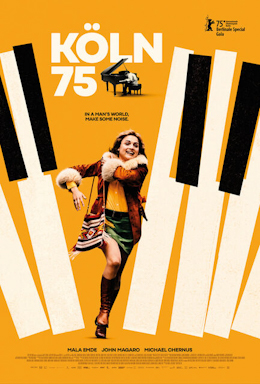
         This tale forms the basis of Köln 75, the movie version of how Vera Brandes pulled off the seemingly impossible task of persuading Jarrett to go on and make jazz history, which I have only just caught up with, a few weeks after its release. I’m not going to dissect the plot any further here. If you don’t know the story, you are in for a bit of a treat; if you do, well, I am sure liberties have been taken with the facts, but it still manages to ramp up the tension even if you know the end result. This is helped by an energetic, explosive performance from Mal Emde as young Vera, who take the final act into manic Run Lola Run territory. Kudos too for John Magaro, who gives us a believable Keith Jarrett, although I found Michael Chemus as jazz writer Mick Watts very annoying, especially his asides to cameras to bring the viewer up to speed on jazz history and improvisation. But maybe all jazz writers, by definition, are annoying.

         Overall, though, Köln 75 is a better than average music biopic that avoids most of that genre’s pitfalls, helped by the fact that, in essence, it is Vera’s story. Much has been made of one rather glaring omission – there is none of the music from that Köln concert in the movie. The filmmakers could not get the rights. But had they secured them, what were they meant to do? Play snippets? Or use all of it and lengthen an already slightly over-long film by an hour? The whole point of Jarrett’s improv is his (and the audience’s) total immersion in the process and part of the pleasure in listening to the album is trying to figure out here he is going next, not in sampling it here and there. So, in the absence of a true soundtrack, Köln 75 sends you right back to listen to the ECM recording of that night. So, in one sense, it’s job done.

THE OUT CROWD

Two heavyweight US players are over here next month, both of whom really do sometimes frighten the horses with the intensity of their performances. Altoist Immanuel Wilkins is part of the informal Blue Note “house band” – a pool of players who often appear on each other’s albums, including Joel Ross on vibes, Marquis Hill on trumpet and Kendrick Scott on drums. His latest release is Live at the Village Vanguard Vol. 1, echoing similarly titled classics by Bill Evans, John Coltrane, Paul Motian and dozens of others. It is a powerful document of the joy of long-form improvisations, knotty and muscular in places, surprisingly lyrical in others, interspersed with passages of hypnotic, repetitive beauty. Wilkins and his quartet appear at the Jazz Café on Saturday July 18 and it’ll be quite the evening, just don’t bring any horses. Or improvised jazz agnostics. https://thejazzcafe.com/event/immanuel-wilkins-quartet/?accept=true.

        Immanuel Wilkins Quartet

 Also coming to London, where he performs more regularly than Wilkins, is James Brandon Lewis. He is another player not afraid to go “out” (or even “out out”). His output varies from concept albums (the wonderful Jessup Wagon, about a 19th Century black agriculturist and educator, and the fractured gospel of For Mahalia With Love), through bold sonic explorations (Abstraction is Deliverance; Apple Cores) to hard-hitting but highly listenable punk-funk-jazz (The Messthetics and James Brandon Lewis). He is playing two nights at the home of left field music, Café Oto over in Dalston, so will probably bring his more tumultuous side to the proceedings, but I’ve seen him three times now and he has never failed to exhilarate – even when the music swerves into uncharted territory, the listener is always aware of a fierce intelligence at work. Details: https://www.cafeoto.co.uk/events/james-brandon-lewis-quartet-two-day-residency/.

      James Brandon Lewis, above (photo by Thomas Sayers Ellis )

 Saxophonist and composer Alex Hitchcock is a London-based player who has spent time finding pastures new and fresh growth in the vibrant and highly completive NYC scene. He brings the results – complex, sometimes off-kilter compositions, always accessible, always delivered with passion and integrity – to Kentish Town’s Bull & Gate on Monday June 22, with selections from his album Letters from Afar. Full listing for the rest of June, including Alex: https://jazzattheparakeet.com/.

        A more familiar jazz landscape, perhaps, is explored by young Sam Braysher who hefts his honey-toned horn to the Pizza Express on July 2 to launch a new album called A Sinner Kissed an Angel. It is a collab with Amsterdam guitarist Linus Eppinger plus drummer Eric Ineke and consummate bassist Darryl Hall (no, not of “& Oates” fame, but a regular with the likes of Ravi Coltrane). It includes music by Horace Silver, Frank Sinatra, Dusty Springfield, Nat King Cole and Benny Goodman. The album has a warm, inviting, live-in the-studio feel, with the band totally relaxed playing in and around material they clearly cherish, perhaps not re-inventing the jazz wheel, but certainly giving it a damn good polish. Tickets to hear it live: https://www.pizzaexpresslive.com/whats-on/sam-braysherlinus-eppinger-quartet.


A quick non-sax local gig to mention. Expat Canadian singer Lauren Bush, now based in London, has gradualy been building a name for herself the old-fashioned way – by gigging, with both her own shows and guests slots with the likes of Ian Shaw. She is at Tufnell Park’s Aces & Eights on June 20 as part of the latest Red Desert Sessions. She will appear alongside fellow vocalist Angela Chan, singer/songwriter/drummer/host Eleonora Claps, Guillermo Hill on guitar and Andy Hamill on bass. Expect sophisticated jazz standards and smart originals, all for just £15. Tickets: https://www.eventbrite.co.uk/e/red-desert-music-presents-lauren-bush-angela-chan-eleonora-claps-tickets-1989185427160.

MASTERS OF SAX

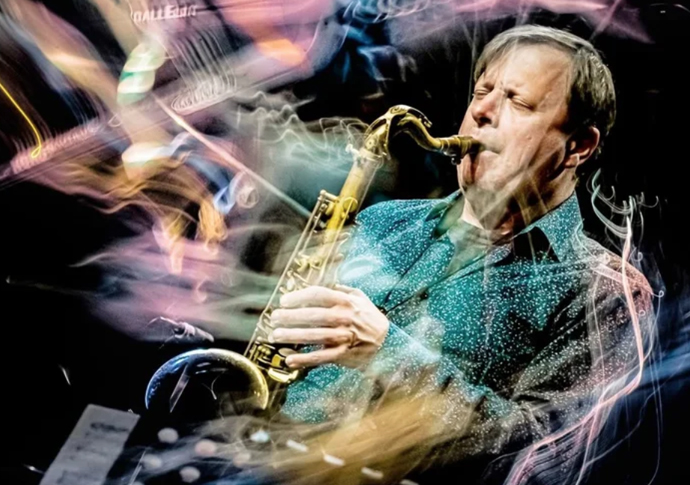
IN the week that we lost Sonny Rollins, that titan of the tenor, I went down to Ronnie Scott’s to catch one of his acolytes, Chris Potter, who has said that he learnt his approach to rhythm, phrasing and storytelling from studying Rollins.

This was a Downstairs gig for once, in the room that, much as I admire and enjoy the new Upstairs, still retains the lion’s share of Ronnie’s magic.

Chris Potter [Robert Ifarelli]

Potter acknowledged the passing of the saxophone colossus by announcing: “Long Live Sonny Rollins” to whoops and cheers from the sell-out crowd (which included a smattering of fellow sax players, including Bowie’s late career horn man of choice, Donny McCaslin, at the bar).

Soweto Kinch recently called one track of Potter’s he played on his Round Midnight Radio 3 show a “message from the summit of Mount Saxophone”. In a stripped-down trio setting (Matt Brewer on bass, Kendrick Scott on drums, both afforded plenty of space to shine), it certainly felt like we were at peak sax: Potter was on blistering, questing and yet playful form.

The sound was warm and textured, the technique mind-blowing, the soundscape switched around by Potter using the bass clarinet and even the piano.

Given how Potter paced his solos, building narrative, sometimes unaccompanied, hinting at classic tunes, the spirit of Rollins was definitely in the room.

Potter has a bold new album out, Alive With Ghosts Today on Edition records, a piece inspired by the legendary abolitionist John Brown, whose body famously lay a-mouldering after he was hanged.

Unlike many such concept records, it is neither portentous or over-sombre, although, unlike the live trio I saw, it is an ensemble piece, featuring really exemplary work from guitarist Bill Frisell (plus deft contributions from clarinet, trombone and violin) as well as agile excursions and deep, groove-heavy blues from the leader.

Give Alive with Ghosts Today and the earlier Got the Keys to the Kingdom: Live at the Village Vanguard a listen: together they will elevate Potter to one of your favourite sax men.

As is sometimes the way with jazz, there wasn’t much from the new record – Potter announced the trio would mainly playing new material for a planned studio session. Can you imagine a rock or pop band saying that? He did, however, essay my favourite track from the album, the pleasingly polyrhythmic Into Africa. It was, of course, a different beast without the bigger band, but still exhilarating.

And then, for the final number, a sprightly tune called Huckleberry, the aforementioned Donny McCaslin (who has his own hard-hitting Edition record, Lullaby for the Lost) came on stage, horn in hand, and, with his more angular, abrasive sound, thrillingly transported us to an old-school Lower East Side blowing session.

Potter responded with bravura runs, peppered with swoops, flurries and squeaks, all without losing his signature warmth and strangle-hold on melody.

They ended up trading sharp, punchy phrases, a cutting contest with no blood drawn, just big grins. It was sublime, spontaneous jazz at its best.

Potter, incidentally, is returning to Ronnie’s with multi-Grammy winning-pianist Gonzalo Rubalcaba and a killer rhythm section of Larry Grenadier on bass and Eric Harland on drums on July 18 (www.ronniescotts.co.uk/find-a-show/first-meeting). I’ll be there for that, too.

Another favourite sax player of mine, the lyrical Jean Toussaint (Grammy award winner and ex-member of Art Blakey’ Jazz Messengers) features in an ambitious project at Kings Place that explores the consequences of the black diaspora created by slavery, albeit one closer to home: the legacy of the Windrush Generation.

Windrush Day is June 22 and three days later north Londoner an Ivor Novello-award winner Renell Shaw (of Rudimental, Emeli Sandé and much, much more, including multiple theatre credits) will present his two ambitious, multi-faceted albums, The Windrush Suite and Echo In The Bones. We are promised “more than a concert”, something closer to a “sensory experience” involving jazz, rap, spoken word and hip-hop.

If the A-list talent on stage is anything to go by – the amazing Ayanna Witter-Johnson on cello (above), Orphy Robinson on vibes, trombonist Nathaniel Cross (tuba star Theon’s brother), swing-out-sister Romana Campbell on drums plus Toussaint – it should be quite the event.

I’ll be reporting back on it and the projected third volume of the piece due later this year. Meanwhile, get tickets here: www.kingsplace.co.uk/whats-on/jazz/renell-shaw-the-windrush-suite-echo-in-the-bones/

EXTRA MILES

Another day, another sold out show, another slice of Mr Miles Davis. Last week Ronnie Scott’s in Soho saw the impressively versatile multi-instrumentalist, beat mistress and producer Emma-Jean Thackray paying her own homage to the master. Unlike Theo, Leeds’ finest did speak to the audience, explaining that she came through a northern brass band tradition, where everyone everywhere played the piece of music memorably called Concerto de Orange Juice by Pete Postlethwaite in the film Brassed Off. As a young teenager E-J T was on Limewire, which was mostly used for illegal file-sharing. She wanted to download a classic version of Rodrigo’s piece to practice along to. Instead, she got the one from Miles/Gil Evans Sketches of Spain and a new passion was born.

      In fact, rather than being “Dear Miles – A Love Letter to Miles” as billed the evening was really Miles & Me, charting the ongoing relationship between the two trumpeters. Although Electric Miles is closest to her heart, we were treated to tunes from many stages of Miles’ career, all processed through Emma-Jean’s magpie mind and broken beat sensibilities. We had a tricksy, staccato Seven Steps to Heaven,  a So What welded to a monstrous jazz-rock groove, the bass heavy superfunk of One and One from On the Corner and a short, marvellously chaotic free section that suggested Miles channelling Lester Bowie or Don Cherry, But there were also moments of tenderness, notably from a Harmon mute and piano combo (kudos to Lyle Barton on keys for slipping into the Bill Evans’ shoes). For the finale she said “I had a dream about Miles. I dreamt he came up to me and whispered: I love jungle.” You can imagine what followed – a machine-like explosion of urban rhythms that sounded like Miles hanging out in a hip East London jazz/vinyl joint. The jazz police would probably say “you’re under arrest” and certainly baulked at this collision of cultures, but it certainly fired some electric London club vibes through Ronnie’s. Emma-Jean told us that the Guardian once described her as a “jazz chav”. Huh. “Jazz alchemist” more like. The next chance to catch her (although not this show; she has her own stuff to do) is at the Cheltenham Jazz Festival over the May Bank Holiday. See: https://www.cheltenhamfestivals.org/events/emma-jean-thackray. However she is performing the Miles show at EartH Hackney on November 13 as part of the EFG London Jazz Festival (tickets: https://efglondonjazzfestival.org.uk/events/emma-jean-thackray-dear-miles-a-love-letter ).

MIXED UP MILES

An expanded version of this piece will appear in the Camden New Journal.

Theo Croker’s “Miles Davis Mixtape”

Southbank Centre x Montreux Jazz Festival Residency. Royal Festival Hall. 13 March 2026

“I’m not going to talk very much,” announced Theo Croker near the start of his Royal Festival Hall concert, before adding, with a chuckle, “Miles didn’t talk much.” Which is, of course, very true – in his later years you were lucky if the trumpeter even looked at the audience. This non-speaking gig was a double celebration – of Miles Davis’ centenary and of a collaboration between the Southbank and the venerable Montreux Jazz festival, which came to town for the weekend. There was lots going on but – for me at least-  Theo and Miles was the centrepiece.

        (Photo: Pete Woodhead) The concert began with a beautifully full toned Concert de Aranjuez from the Gil Evans-helmed masterwork Sketches of Spain. Miles used a flugel in the opening on disc; Theo has a Monette trumpet, but no matter – that horn sings. It soon became clear that the pure-voiced singing was going to just part of its role here, as delay and reverb (Croker used a double microphone set up), scrunchy electronics and voice samples came to the fore as the Rodrigo segued into Croker’s own 4Knowledge. This was no slavish reproduction of Miles’ music, but a Theo Croker “mixtape”, with all the experimentation that suggests from a man who is one of the best and most forward-facing of the current crop of trumpeters. He included a good number of his own compositions in the mix – notably Amen Waters (where his playing reminded me of that other Miles admirer, Mark Isham) and 64 Joints, which is from his last album Dream Manifest. And they fitted perfectly.

         So, those hoping for Kind of Blue played in its entirety were destined to be disappointed, but we did get some exhilarating deep cuts. Very deep, one of them being Yaphet from the underrated Big Fun album from 1974, a pulsing track which could have acted as a blueprint for the whole gig. The band were on top form as it essayed the changes in tempo, atmosphere and harmony while Croker manipulated the sound in real time. Eric Wheeler was a powerhouse on bass, young drummer Koleby Royston subtle and far from overwhelmed by the demands of the ever shifting soundscape and Tyler Bullock was on keys. Although the latter also played synths, he also gave us some welcome, energetic passages on acoustic piano that offered us a definite human touch amid the electronic processing.

        (Photo: Pete Woodhead).

But it was special guest Gary Bartz who often took the limelight and ran with it. Looking like he had based his hairstyle on Doc from Back to the Future, the 85-year old began his contribution a little tentatively. I was a little concerned, as I have seen my fair share of jazz vets who no longer had the chop for a full-blown concert experience. No so Gary, who played with Miles in the early seventies (see Live-Evil) and led a pioneering fusion band called Ntu Troop (you’ll probably know Celestial Blues), and who showed here that he had the power and energy of a player half his age. Guest singer Ego Ella May also acquitted herself beautifully on two songs, including Croker’s Somethin’ which she sang on his album By the Way. I could have listened to more – but I guess I’ll have to catch one of her solo gigs.

         The concert ended back on solid Miles ground with Wayne Shorter’s Water Babies and a tender, acoustic Round Midnight that raised a few hairs on my neck, before Croker had the last word with his Hero Stomp. A couple of the two thousand plus audience expressed disappointment to me over a post-gig drink (they’d seen me taking notes) at the Croker-to-Miles ratio and the treatment of the sound. As someone who got on board with Miles at around Bitches Brew, I enjoyed the sonic manipulation which seemed entirely appropriate. After all, plenty of Miles’ music was heavily restructured in the studio by producer Teo Macero (look at the number of tape edits on the In a Silent Way album). I gave them my considered verdict on Theo’s mixtape: Miles would have loved it.

SWISS SOUTHBANKING

This coming weekend (from April 13) the Montreux Jazz Festival is landing on the banks of the Thames (so it’ll be smokin’ on the water.. sorry Deep Purple fans) for a three-day collaboration between the Southbank and the legendary Swiss festival. The Montreux Jazz Festival was founded by the late and much-missed Claude Nobs in 1967 and was and is known for the breadth of its programming. The London collab is equally eclectic. It includes Theo Croker’s Mixtape, an imaginative reworking of Miles’ electric legacy by the trumpeter (Friday 13), with, on the same night, the excellent vocalist Lucy-Anne Daniels in the Purcell Room, showing why she won 2025 Tina May Young Jazz Musician Award. She appears on stage alongside another of our favourite horn players, young Poppy Daniels (it’s part of the Women in Jazz strand). There’s also future-facing Scottish trombonist/electronica whizz corto-alto on the 15th – always innovative and entertaining at the same time – with Swiss-Palestinian drummer/composer Ramzi Hammad fusing Arabic, hip-hop and London jazz influences over in the Purcell. There’s lots more in between, including talks and discussions.

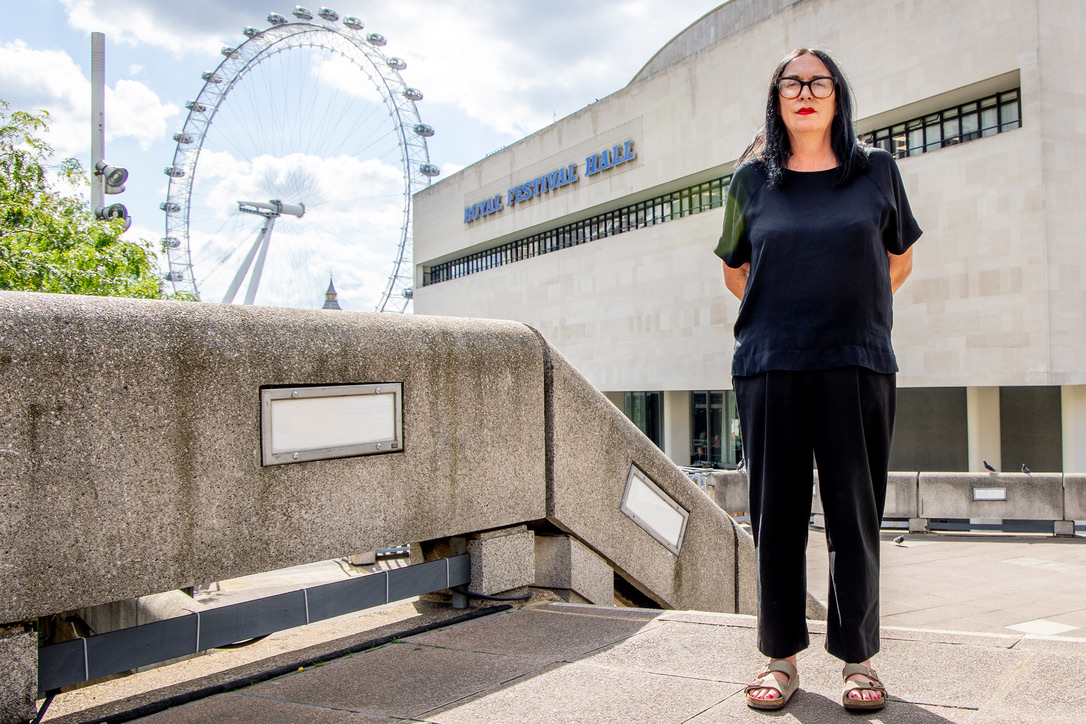
         We spoke to Jane Beese, Head of Contemporary Music at the Southbank Centre, to about the origins of this unique residency, which is an ongoing project and the state of modern jazz.

Theo Croker (Photo: Bruno Barretto)

How did the Montreux Jazz Festival link come about?

Our relationship with Montreux Jazz Festival grew from a shared curiosity about where jazz is headed and showcasing the talent that is pushing jazz in new directions. Both the Southbank Centre and Montreux have long histories of presenting pioneering music, and when we started exploring how to present a multi-faceted, diverse line-up of jazz, it became clear a sustained partnership could do more than just bring artists across international borders – it could create an exchange of ideas and approaches to jazz as a genre.

        It also feels fitting to think about the future of jazz during a landmark anniversary that marks 75 years since the Southbank Centre’s founding event: the Festival of Britain. For 75 years, our stages have hosted some of the most influential figures in jazz, from Nina Simone performing here in the late ’60s and ’70s to Miles Davis who performed here no fewer than eight times. That legacy gives context to thinking about the future and what the jazz of tomorrow sounds like. The residency lets us honour jazz’s history while amplifying voices who are shaping the next chapter of the music.

One of the key concerts is Theo Croker’s re-working/re-imagining of  Miles Davis’s electric legacy. Why, after all this time, does Miles matter?

As an icon of the genre, Miles Davis really did push the boundaries of jazz and remains an important cultural touchstone when thinking about multifaceted approaches to jazz and its direction. He wasn’t just a brilliant trumpeter – he was a pioneer, always asking what jazz could become next. From bebop to cool jazz, to electric fusion, he didn’t just follow trends, but set them, and challenged musicians and audiences to hear music differently. This year marks the centenary of his birth, which is a great moment to reflect on the scale of his influence. Even today, his legacy is felt in the way artists take risks, blend genres, and rethink what jazz can be. Miles’ legacy reminds us that jazz is alive, evolving, and never finished, and that ethos is what keeps the music vibrant today.

Jane Beese Head of Contemporary Music at the Southbank Centre (Photo: Pete Woodhead )

What guided the choice of artists for the residency?

Since the residency is all about presenting a multi-faceted take on jazz, we wanted to work with artists who are stretching the form – drawing on other genres, cultures, and experiences – and wanted to think about jazz as an evolving musical language rather than a fixed style. You can really see that in the line-up: Theo Croker’s music moves fluidly between jazz and hip-hop; corto.alto brings an experimental approach that leans heavily on jazz’s improvisational tradition. Each artist in the residency is asking questions about the music, the moment, and the audience, which feels very much in the spirit of Miles and in line with what the Southbank Centre has always tried to do: creating space for bold, forward-thinking artistry. It’s been a joy to curate a programme of jazz this year that is so eclectic and yet feels very of the moment. I can’t wait for people to come down to the Southbank Centre to experience it!

corto.alto (Photo: James Pearson-Howes)

How do you feel about the state of jazz in the UK at the moment? And how important have Tomorrow’s Warriors been?

It’s no secret that our Resident Organisation Tomorrow’s Warriors have had an incredible impact on the UK, and arguably beyond the UK too. Through their hard work and 35 years of dedication, they’ve helped produce artists like Soweto Kinch and the brilliant Ezra Collective, who have themselves really pushed the genre to a greater breadth of the public. It’s a privilege to work closely with Tomorrow’s Warriors, as a resident whose work is rooted in equity of access to opportunity, mentorship, and talent development. I can’t wait to hear them join forces with Children of Zeus, as part of the festival residency.

What else are you looking forward to in the jazz sphere and why?

One of the best things about jazz festivals in the UK today is the breadth of talent they platform. You can look across a line-up and be spoilt for choice. We’re very lucky to host the famed EFG London Jazz Festival at the Southbank Centre each year, which is always a highlight in the music calendar for any jazz fan, and yet another great chance to hear fantastic live jazz performance, particularly from artists in the early stages of their career too. It’s set to be a fantastic year for boundary-pushing jazz.

For the full Montreux v Southbank programme and tickets see: https://www.southbankcentre.co.uk/events/southbank-centre-x-montreux-jazz-festival-residency/.

ORGAN DONOR

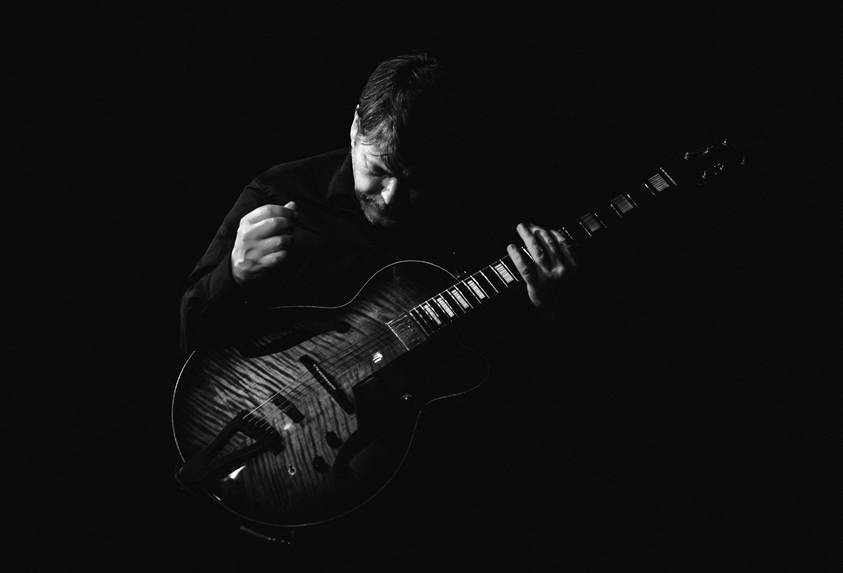
I fully intend to write about guitarist Nigel Price and his new album in my next column for the Camden New Journal, but I know I simply won’t have room to do him justice. Not only is Price our finest interpreter of the legacy of Wes Montgomery, Kenny Burrell and (pre-pop) George Benson, he  has been instrumental in maintaining the health of jazz in Britain.

(Above: Nigel Price. Photo by John McMurtrie)

We in London tend to think that jazz revolves around Ronnie Scott’s, the Pizza Express, The 606, The Vortex, The Jazz Cafe and a handful of other venues. These might form the beating heart of British jazz, but the lungs, the organ that keep the music breathing, is found in the myriad of small clubs scattered around Britain. They act as incubators for new talent that will find its way to London eventually, but also offer a network where established players can always get a gig. Without the likes of Peggy’s Skylight in Nottingham, The Verdict in Brighton, Splash Point in Seaford and Eastbourne, the Bear Club in Luton, the Band on the Wall, Manchester, Jazz Jurassica, Lyme Regis, Palladino’s in Cardiff, the Blue Lamp, Aberdeen and many, many more, the life of a gigging jazz musician would be even more unsustainable than it is in the current climate, where rapacious Spotify has stripped out much of the traditional income stream.

These clubs are often run by enthusiasts and volunteers  who wouldn’t recognise the word profit if it was on a Scrabble board before them (11 points by the way). Such is the precariousness of their existence that Covid threatened to kill some off as efficiently as it did those in care homes. It was why Price set up the Grassroots Jazz charity (https://www.grassrootsjazz.com), which fundraises and gives grants directly to venues. Recipients have included St Ives Jazz Club; Sound Cellar, Poole; Bebop Club, Bristol and Milestones, Lowestoft. Quite why he hasn’t been given some kind of government-sponsored gong for Services to Jazz is beyond me (although he and his group have won plenty of awards over the years).  

His latest tour is with his Organ Trio to showcase the band’s new record It’s On! It is criss-crossing the country, calling at many of those self-same grassroots venues outside of London (although for those in the capital there’s an album launch at Pizza Express Soho on October 5th – https://www.pizzaexpresslive.com/whats-on/nigel-price-organ-trio). For the full list of gigs nationwide see https://nigethejazzer.com/.

It’s On by the Nigel Price Organ trio is a very good album indeed – he’s not just a fine guitarist but his fellow members (Ross Stanley on Hammond, Joel Barford on drums) are at the top of their game. The hefty touring schedule that the trio undertakes has given them real emotional, rhythmic and harmonic connection. In his sleeve notes the guitarist calls the collection of tunes on It’s On! a “mixed bag” but it’s a cohesive exploration of classic organ trio material, re-written, reworked and revamped by Price to give it a more modern feel, while not ignoring the voicings and killer swing that made guitar/organ/drums such a key feature of the jazz repertoire. Buy a physical copy if you can rather than streaming it. You can purchase It’s On! and his other records on vinyl and CD at Price’s website above. And then catch the trio live and help keep jazz in Britain breathing.

BIG BAND THEORY

The Tom Smith Big Band plays at the Pizza Express at lunchtime on Sunday October 5 (https://www.pizzaexpresslive.com/whats-on/the-tom-smith-big-band). This is a very classy ensemble of top players and Tom is a talented arranger and composer – praised by one of his influences, my friend and collaborator Guy Barker – who writes evocative themes and charts for his stellar soloists to shine over. Check out his album A Year in the Life, a first rate jazz ode to London, which includes players of the calibre of saxophonists Graeme Blevins and Alex Garnett and trumpeters Tom Walsh and Freddie Gavita. I asked Tom Smith at the time of his last Pizza gig if you had to be crazy to run a big band in this economic climate, given the challenges of pulling together so many in-demand players. This is his Big Band Theory.

“You’re right that it’s a huge job, but there is something absolutely mesmerising about watching a group of 18+ musicians working together in harmony. Anyone who’s seen a big band performing live will know this immensely, especially in London where you can get right up and close to the performers and feel every note in your bones. In this country we really do have some of the finest big band musicians in the world – musicians who’ve studied this music all their life inside and out and know exactly what to do to elevate it to the highest level. There is a huge appetite in this country to experience this music, and we are in a new age of big band composers, especially in this country – Nikki Iles, Julian Siegel, Emma Rawicz, Dan Casimir, Sean Gibbs, Charlie Bates/Helena Debono, Callum Au, Olivia Murphy, Josephine Davies..and I could go on, everyone approaching it from totally different angles, with so much experimentation and new ideas.

“For my money the classic big band line-up is one of the all-time great large ensembles for the simple reason that it’s a self-balancing acoustic ensemble. In the hands of experienced players 5 saxes, 4 trumpets, 4 trombones, piano, bass, drums and guitar can perfectly balance with each other without the need for amplification, and this gives the musicians and the composer a HUGE amount of control over how the music is expressed and played. We also have access to a huge number of timbres – the saxes can be harsh, melodic, airy, trumpets bombastic and regal, trombones piercing and full bodied, and that’s not to mention the extra colours we can get with mutes, moving the saxes onto flutes and clarinets, and giving the trumpet players flugelhorns. The rhythm section is very adaptable and wide ranging, giving you the option to move from 20s jazz to 60s rock, from psychedelic guitars and orchestral percussion. The greatest big bands in the world consistently sell out huge concert halls, and I see a future where the big band is regarded as equally as important as a full classical orchestra – my dream is to write a film score using a big band as my main writing vehicle! (Below: Freddie Gavita).


“What I love about being a saxophone soloist on top of a big band is the amount of support it gives you. The music has a great range of movement, timbres, emotional weight and texture and this gives me so much to work with. I find myself playing off of the most different things every time I play with the band – the way a specific trombone chord resonates at a certain point, the sound of a muted trumpet playing with a clarinet can inspire me and push me in new unique ways each time. I absolutely love playing in smaller groups as well, there’s more options for where the music can go and your improvisations can move into freer territories, but sometimes the magnificence of a well-oiled machine like a big band is hard to beat…”

     And if that doesn’t whet your appetite for some of Tom’s big band adventures, I don’t know what will.